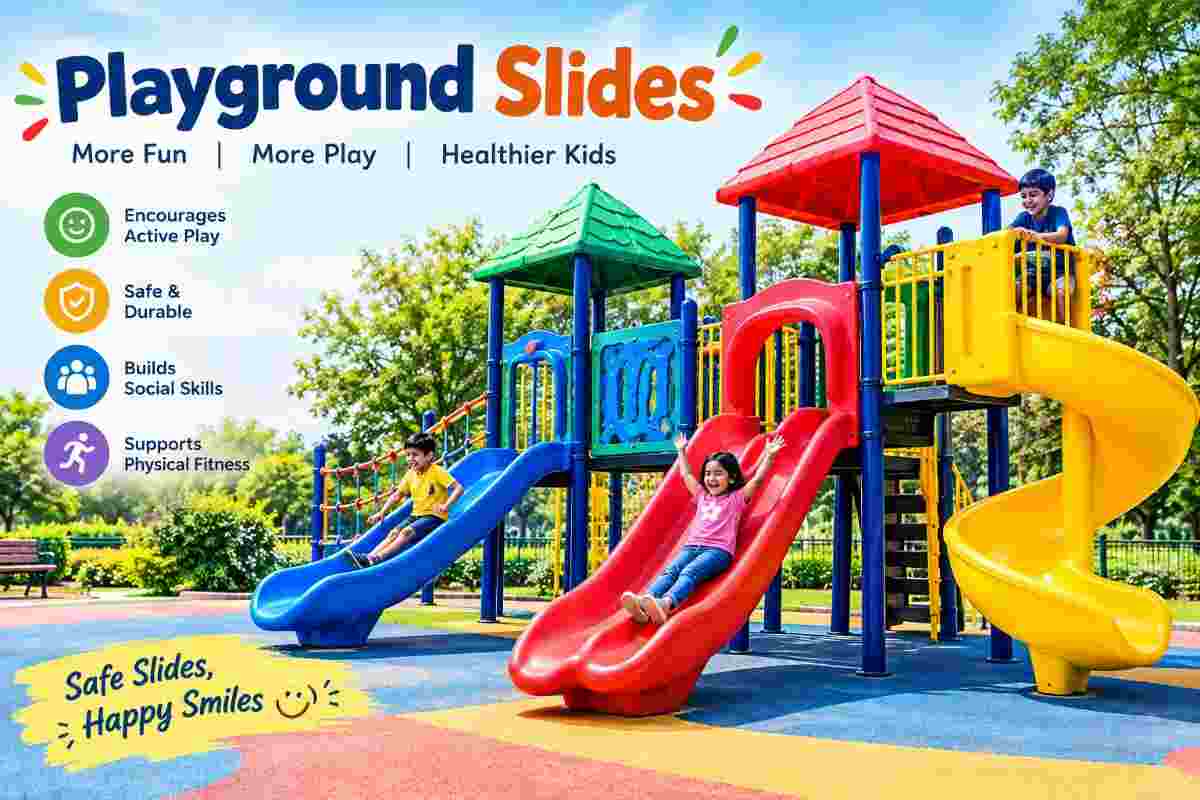
A playground is only as good as it is safe. Slides, climbers, swings, and multiplay structures bring joy and development benefits to children — but without careful planning, the same equipment can become a safety risk. Whether you're designing a playground for a school, residential society, park, or resort, safety needs to be built into every stage of planning, not added as an afterthought.
At GN Ent Play Systems, we've spent years designing playground equipment that balances fun with safety compliance. Here's a complete guide to planning a playground that keeps children safe while giving them the best possible play experience.
Why Playground Safety Planning Matters
Unsafe playgrounds are one of the leading causes of preventable childhood injuries worldwide. Poorly planned equipment spacing, wrong surfacing, sharp edges, or age-inappropriate structures can turn a place of joy into a place of harm. A safety-first approach protects children, reduces liability for parks, schools, and societies, and ensures the playground remains usable and trusted for years.
Step-by-Step Guide to Planning a Safe Playground
1. Define the Age Group and User Capacity
Before choosing any equipment, decide who the playground is for — toddlers, school-age children, or a mixed-age public park. Equipment height, slide steepness, and climbing difficulty should match the intended age group. Mixed-age playgrounds should have clearly zoned areas so toddlers aren't exposed to equipment designed for older children.
2. Choose the Right Equipment Materials
Material choice directly affects safety and longevity:
- LLDPE (Linear Low-Density Polyethylene): Smooth, rounded, UV-resistant, and ideal for slides and panels.
- FRP (Fiber Reinforced Plastic): Durable, weatherproof, and free of sharp edges or toxic coatings.
- Galvanized steel/MS pipes: Used for structural framing, should be rust-proof and powder-coated.
Always choose manufacturers who use child-safe, non-toxic, weather-resistant materials.
3. Plan Adequate Spacing Between Equipment
One of the most overlooked safety factors is spacing. Equipment placed too close together increases collision risk, especially near slide exits and swing arcs. As a general safety principle:
- Leave a clear "fall zone" around each piece of equipment
- Keep slide landing areas free from other structures
- Ensure swings have enough clearance in front and behind
4. Select the Right Safety Surfacing
The ground beneath play equipment is just as important as the equipment itself. Hard surfaces like concrete or bare soil significantly increase injury severity from falls. Safer alternatives include:
- Rubber safety tiles or rubber flooring
- EPDM synthetic turf
- Engineered wood fiber or sand (for lower-budget projects)
Surfacing should be selected based on the maximum fall height of the tallest equipment in the playground.
5. Prioritize Slide Safety Design
Slides are among the most-used — and most injury-prone — playground elements. When planning slides, check for:
- Gentle, gradual slopes appropriate to the age group
- Enclosed sides to prevent falls
- A flat, non-slippery landing zone
- Shaded or UV-treated material to prevent surface overheating in direct sun
6. Ensure Structural Stability and Anchoring
All equipment must be securely anchored into the ground with weather-resistant foundations. Loose or improperly installed structures are a major cause of tipping and collapse incidents, especially in high-footfall public playgrounds.
7. Eliminate Entrapment and Entanglement Hazards
Gaps in railings, ropes, chains, and openings should be checked to ensure no child's head, fingers, or clothing can get trapped. This is especially important in climbing nets, tunnel openings, and rope bridges.
8. Include Equipment for Inclusive Play
A well-planned playground considers children of different abilities. Adding accessible ramps, sensory panels, and lower-height activity zones ensures the playground is safe and welcoming for children with physical or developmental differences.
9. Add Shade, Fencing, and Visibility Features
- Shade structures reduce surface heat and sun exposure on equipment.
- Boundary fencing keeps young children contained within the play area, away from roads or water bodies.
- Open sightlines allow parents and caregivers to supervise easily from any angle.
10. Schedule Regular Maintenance and Safety Audits
Safety planning doesn't end at installation. Routine inspections should check for:
- Loose bolts or damaged joints
- Cracked or faded plastic components
- Worn-out safety surfacing
- Rust or corrosion on metal parts
A maintenance schedule (monthly or quarterly, depending on footfall) keeps the playground safe long-term.
Common Playground Safety Mistakes to Avoid
- Installing equipment without checking age-appropriateness
- Ignoring fall-height-to-surfacing ratio
- Overcrowding a small space with too much equipment
- Using low-quality, non-certified materials
- Skipping post-installation safety inspections
Why Work with an Experienced Playground Equipment Manufacturer
Planning a safe playground isn't just about buying equipment — it's about working with a manufacturer who understands site layout, material safety, and age-appropriate design. GN Ent Play Systems brings years of expertise in designing playgrounds for schools, parks, residential societies, and public spaces, using safety-compliant, weather-resistant materials built for Indian outdoor conditions.